
Your Roadmap to a Confident Whole-Home Renovation

Welcome. Today we chart the whole-home renovation timeline and the key milestones that protect budgets, control stress, and keep crews coordinated. Expect practical schedules, candid stories from job sites, and checklists you can adapt, so your project advances with clarity, momentum, and fewer surprises. Share your questions and milestone wins, and subscribe for field-tested insights.

Define the scope room by room

List every room and system, noting keep, refresh, or replace decisions, plus any code upgrades. Capture impacts like temporary kitchen solutions, pet safety, and storage. Detailed scope notes prevent ambiguous bids and create a shared reference when inevitable discoveries challenge the original assumptions.

Choose delivery and assemble the team

Decide between design-bid-build, design-build, or construction management based on risk tolerance, speed, and budget control. Interview candidates, verify licensing, and call references. A cohesive architect, general contractor, and key trades reduce rework, clarify accountability, and protect the calendar when surprises arise.

Create a high-level roadmap

Sketch seasons for major phases, identify non-negotiable dates like school starts or holidays, and set decision deadlines for finishes and long-lead items. This macro plan anchors expectations, informs agreements, and guides weekly adjustments without losing sight of the overall direction.

Budget, Funding, and Contingencies

Money shapes the timeline as much as craftsmanship. Establish realistic ranges, align labor availability with cash flow, and protect yourself with contingencies for unforeseen conditions. Clear approval gates for change orders and allowances keep momentum while preventing small choices from snowballing into calendar chaos.

Design Development, Approvals, and Long-Lead Decisions

Thoughtful design reduces midstream changes and inspection hiccups. Coordinate architectural details, structural calculations, and energy requirements early. Submitting complete permit packages shortens review loops, while locking finishes and equipment in time mitigates supply chain delays that can ripple across every subsequent phase.

01

From concept to construction documents

Move from sketches to coordinated drawings that specify dimensions, materials, and performance criteria. Resolve conflicts on paper instead of on ladders. Clear documents empower accurate bids, predictable durations, and fewer field changes, preserving schedule confidence when multiple trades converge in tight spaces.

02

Navigate permits and inspections

Research submittal requirements, fees, and typical review times. Build in buffers for comments and resubmissions. Early meetings with officials clarify expectations, easing approvals later. Tracking inspection checkpoints on a shared calendar helps crews sequence work logically and avoids idle days waiting for sign-offs.

03

Order long-lead materials early

Windows, specialty doors, custom cabinets, and certain electrical panels can carry extended lead times. Confirm manufacturing slots and shipping windows. Early orders lock pricing, reduce storage dilemmas, and prevent the painful domino effect when one missing component stalls six downstream tasks. On a recent project, early window orders avoided a four-week stall.

Demolition, Structural Work, and Dry-In Milestones
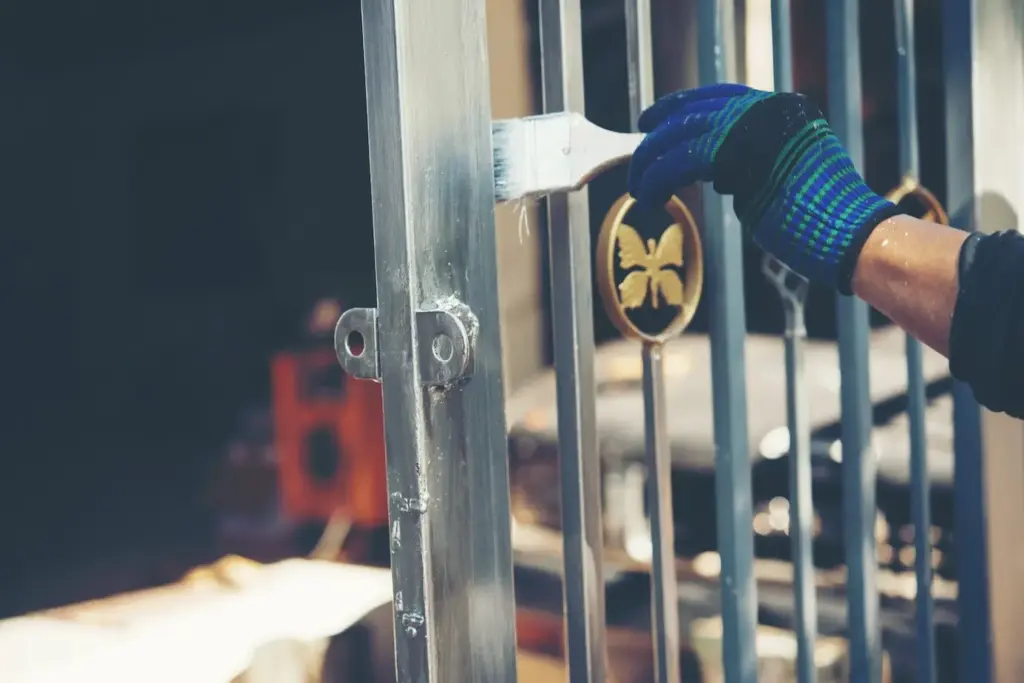
This phase reveals truths. Careful investigation, protection of remaining spaces, and disciplined debris handling keep neighbors happy and homes safe. Structural repairs and framing adjustments lead to the dry-in milestone, when weather can no longer threaten progress, and interior trades can mobilize confidently.

Mechanical, Electrical, and Plumbing Rough-Ins

Hidden systems determine long-term comfort. Coordinated layouts prevent clashes, and inspection success keeps the schedule intact. Regular job walks with the superintendent verify placement, ergonomic heights, and clearances, ensuring walls close only after quality and compliance are demonstrably locked in.

Route and secure rough plumbing

Place supply and drain lines with slope, isolation valves, and future service access in mind. Pressure test before covering. Attention to pipe noise, venting, and fixture locations avoids later headaches and aligns seamlessly with tile layouts, cabinetry, and appliance specifications.

Electrical circuits and lighting logic

Balance dedicated circuits with convenience, plan dimming and smart controls, and verify box locations with furniture plans. Mock up lighting to test shadows and glare. Accurate circuit maps speed inspections, simplify future troubleshooting, and keep drywall crews rolling without late relocations. A quick test once revealed glare on a beloved piano, preventing regret.

HVAC placement and performance checks

Confirm duct sizes, return paths, and equipment clearances relative to insulation strategies and window performance. Commission airflow at rough stage when adjustments are easy. Thoughtful HVAC planning improves comfort, efficiency, and noise control, safeguarding long-term satisfaction and preventing expensive rework after finishes.

Insulation, Drywall, and Finish Surfaces

Once systems pass, the home transforms quickly. Proper insulation, careful drywall work, and methodical finish installations determine perceived quality. Sequencing trades to protect fresh surfaces preserves timelines, while mockups and sample boards reduce indecision, rework, and the dreaded cycle of small but cumulative delays.

Commissioning, Punch List, and Move-In Readiness

The final stretch rewards patience. Methodical commissioning proves systems perform; punch lists refine details without reopening chaos. Clear communication turns small fixes into quick wins, leading to confident occupancy, well-organized warranties, and a plan for caring for your renewed spaces from day one.

Final inspections and documentation

Book inspections strategically, gathering certificates, manuals, and test results in one shared folder. Confirm life-safety devices, egress, and accessibility. With paperwork complete, occupancy approvals arrive faster, lenders release holds, and the calendar makes space for celebration instead of last-minute scrambling.

Manage the punch list with intent

Walk room by room under strong light, note paint nicks, door adjustments, and caulk gaps. Prioritize items blocking move-in and group trade returns. Frequent updates keep energy high, maintain accountability, and transform a potentially frustrating finale into a satisfying, shared victory.

Handover, warranties, and aftercare

Teach household routines for filters, sealants, and finishes, then schedule seasonal check-ins. Track warranty start dates and contacts. Encourage feedback after thirty and ninety days to catch settling or subtle issues early, strengthening relationships and shaping smarter timelines for future work. Tell us your biggest maintenance lesson to share with the community.

Filavanilarino
Privacy Overview

This website uses cookies so that we can provide you with the best user experience possible. Cookie information is stored in your browser and performs functions such as recognising you when you return to our website and helping our team to understand which sections of the website you find most interesting and useful.